Workbenches, Vises, and Clamps
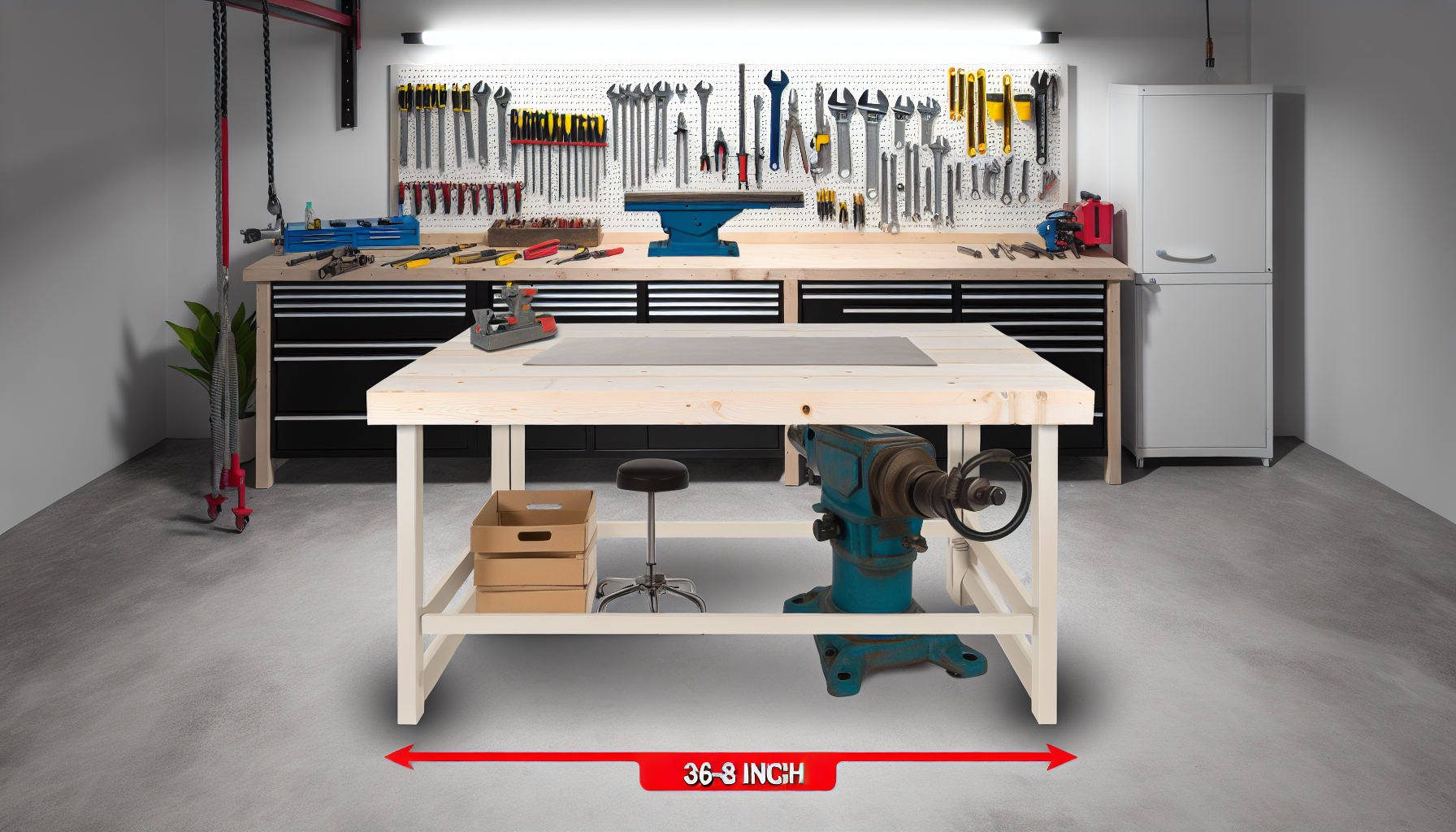
Set up workbench at comfortable working height (36-38 inches for most people)
Affiliate Links: Some product links may earn us a commission at no extra cost to you.
Tools Needed
- workbench
- vise
- various clamps
Parts & Materials
Available from multiple retailers
Available from multiple retailers
Available from multiple retailers
⚠️ Safety First
🔧 Tools Needed
📦 Materials
📋 Step-by-Step Instructions
1. Set up workbench at comfortable working height (36-38 inches for most people)
2. Ensure workbench is level and stable on all four legs
3. Install vise securely to front edge with through-bolts
4. Choose appropriate clamp type - C-clamps for small work, bar clamps for panels
5. Position work piece and apply clamping pressure gradually
6. Use clamp pads or scrap wood to protect finished surfaces
7. Apply even pressure - avoid over-tightening that can bow material
8. Arrange multiple clamps to distribute pressure evenly across joint
💡 Pro Tips
❌ Common Mistakes to Avoid
🔍 Troubleshooting
Clamps slip during use
*Cause:* Insufficient clamping pressure or worn pads
*Fix:* Clean clamp faces, replace worn pads, adjust pressure
Work piece moves during operation
*Cause:* Inadequate clamping or wrong clamp type
*Fix:* Add more clamps, use appropriate clamp style for task
Glue joints fail
*Cause:* Uneven pressure or insufficient clamp time
*Fix:* Use more clamps for even pressure, follow glue manufacturer's clamp time
❓ Frequently Asked Questions
Q: What height should my workbench be
A: Stand with arms at your sides - workbench should be at wrist height
Q: How many clamps do I need
A: Start with 4-6 clamps of different sizes, add specialty clamps as projects require
✅ Checklist
Related Guides
Ladders and Access Equipment
Choose appropriate ladder type - step ladder for self-support, extension for leaning
Read Guide →Work Clothing and Safety Gear
Assess job hazards - chemicals, cuts, impacts, electrical, falls
Read Guide →