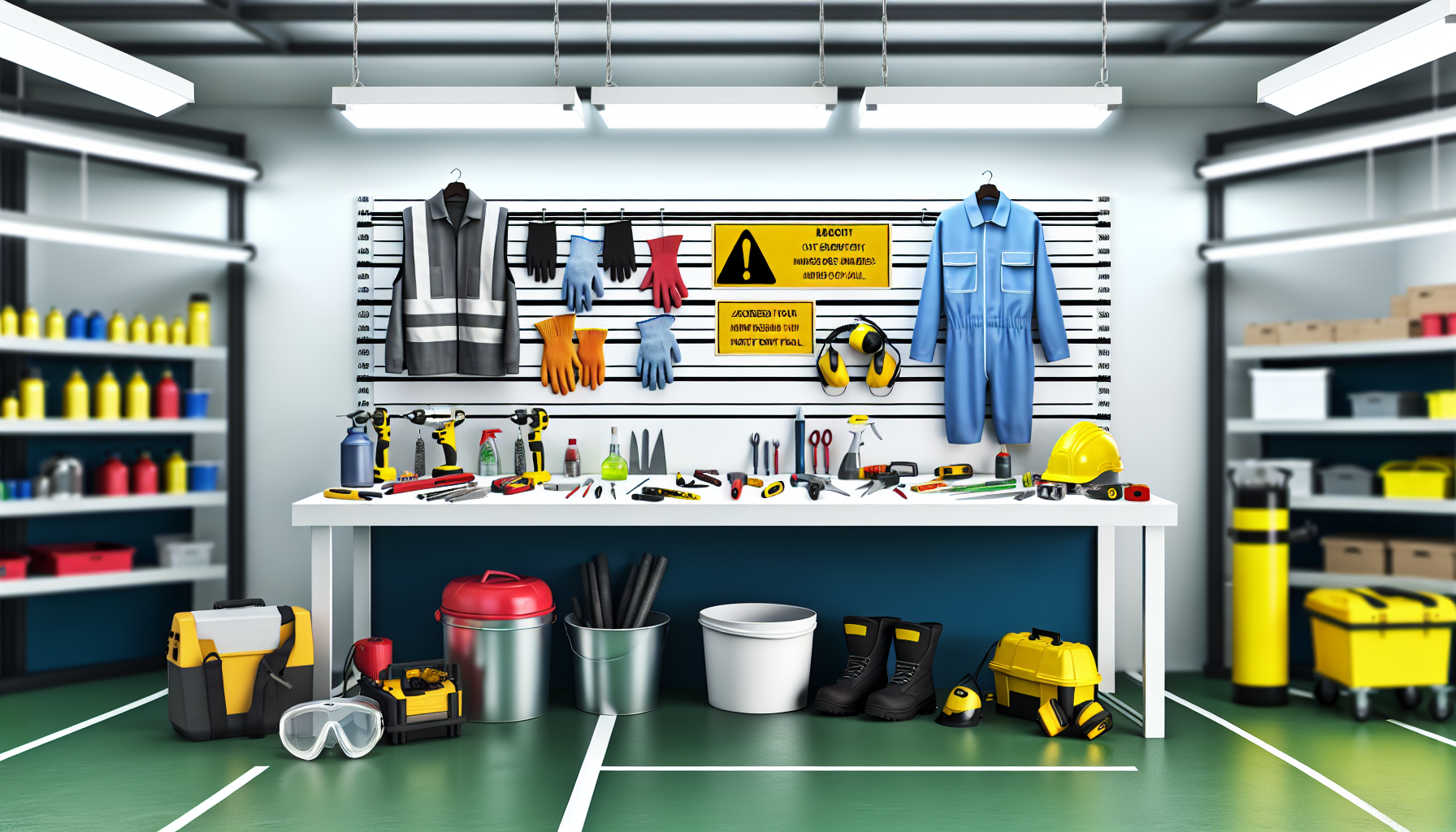
Work Clothing and Safety Gear
Assess job hazards - chemicals, cuts, impacts, electrical, falls
Affiliate Links: Some product links may earn us a commission at no extra cost to you.
Tools Needed
Parts & Materials
work clothes
Available from multiple retailers
safety glasses
Available from multiple retailers
work boots
Available from multiple retailers
gloves
Available from multiple retailers
hard hat
Available from multiple retailers
⚠️ Safety First
📦 Materials
📋 Step-by-Step Instructions
1. Assess job hazards - chemicals, cuts, impacts, electrical, falls
2. Select appropriate work pants - durable fabric, reinforced knees
3. Choose work shirts - long sleeves for protection, breathable fabric
4. Get proper work boots - steel toe for impact, slip-resistant soles
5. Select work gloves based on task - leather for general, rubber for chemicals
6. Add safety glasses - side shields for impact protection
7. Include hard hat for overhead hazards and construction work
8. Consider hearing protection for loud tools and environments
9. Keep separate work clothes to avoid contaminating regular clothing
💡 Pro Tips
❌ Common Mistakes to Avoid
🔍 Troubleshooting
Feet hurt after work
*Cause:* Poor boot fit or support
*Fix:* Get properly fitted boots, consider insoles
Hands get injured
*Cause:* Wrong glove type or worn gloves
*Fix:* Match glove to task, replace when worn
Clothes wear out quickly
*Cause:* Poor quality or wrong fabric
*Fix:* Invest in work-specific clothing, check ratings
❓ Frequently Asked Questions
Q: What's the most important safety gear
A: Safety glasses and proper footwear - protect eyes and prevent falls
Q: How often should I replace safety equipment
A: When damaged, or annually for items like hard hats
✅ Checklist
Related Guides
Ladders and Access Equipment
Choose appropriate ladder type - step ladder for self-support, extension for leaning
Read Guide →Screwdrivers - Types and Uses
Identify screw head type - Phillips, flathead, Torx, Robertson, hex
Read Guide →