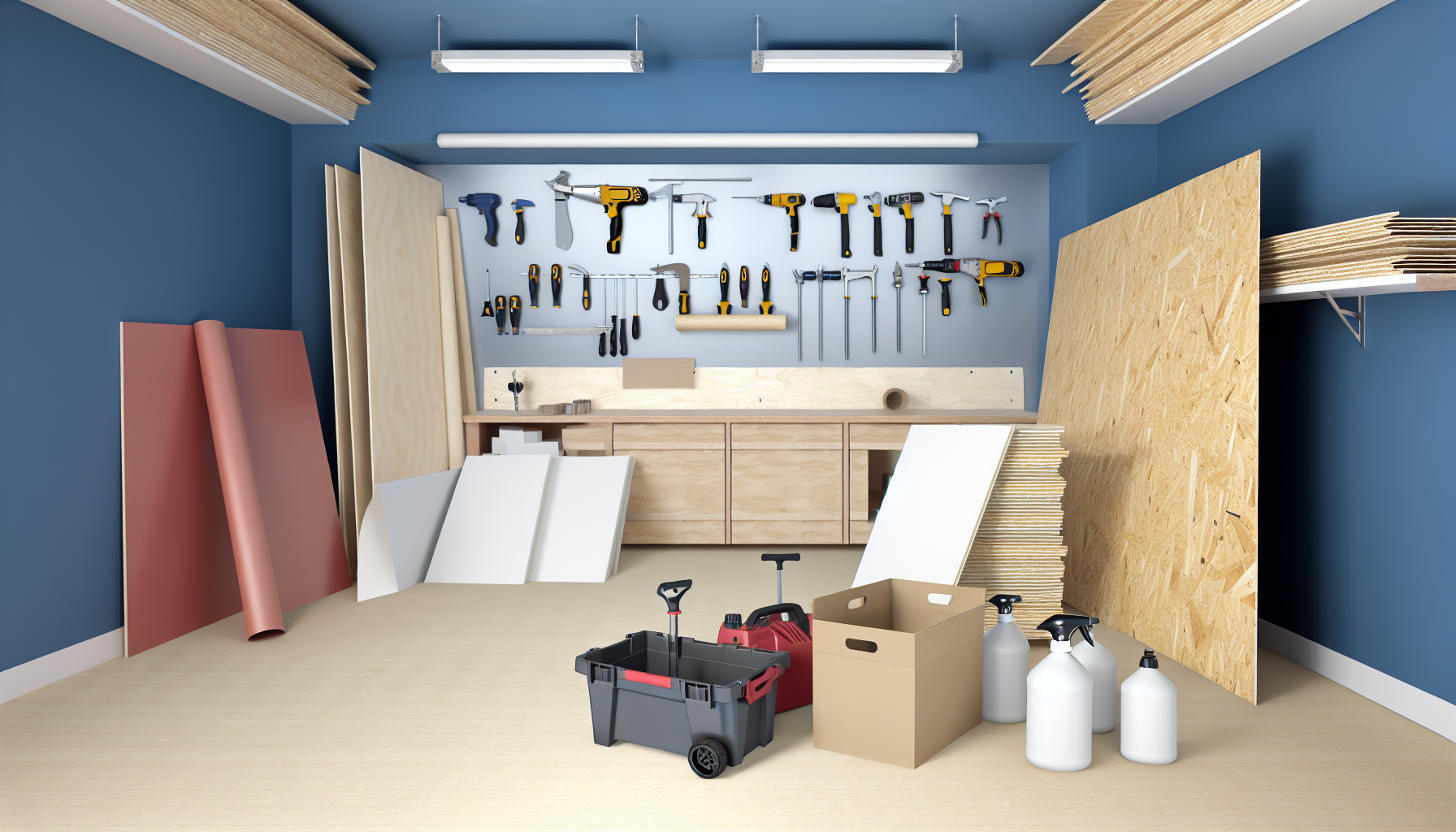
Sheet Materials
Choose appropriate sheet material - plywood for strength, drywall for walls
Affiliate Links: Some product links may earn us a commission at no extra cost to you.
Tools Needed
- circular saw
- measuring tools
- clamps
- edge banding
Parts & Materials
Available from multiple retailers
Available from multiple retailers
Available from multiple retailers
Available from multiple retailers
Available from multiple retailers
⚠️ Safety First
🔧 Tools Needed
📦 Materials
📋 Step-by-Step Instructions
1. Choose appropriate sheet material - plywood for strength, drywall for walls
2. Select proper thickness for application and load requirements
3. Measure and mark cut lines accurately with square and straightedge
4. Support sheet on both sides of cut line to prevent sagging and binding
5. Use sharp blade appropriate for material being cut
6. Make smooth, steady cuts without forcing the saw
7. Sand cut edges smooth, apply edge banding to plywood if visible
8. Store sheets flat and dry to prevent warping and damage
💡 Pro Tips
❌ Common Mistakes to Avoid
🔍 Troubleshooting
Sheets warp after installation
*Cause:* Moisture exposure or improper storage
*Fix:* Seal all edges, store flat, ensure adequate ventilation
Splintered cuts on good face
*Cause:* Dull blade or cutting from wrong side
*Fix:* Use sharp blade, cut with good face down, score cut line
Edges crumble when cut
*Cause:* Wrong blade type or feeding too fast
*Fix:* Use fine-tooth blade, slow feed rate, support material properly
❓ Frequently Asked Questions
Q: What grade plywood should I use
A: A-grade for visible surfaces, B-grade for structural, C-grade for utility work
Q: Is OSB as good as plywood
A: OSB is strong and economical but doesn't handle moisture as well as plywood
✅ Checklist
Related Guides
Ladders and Access Equipment
Choose appropriate ladder type - step ladder for self-support, extension for leaning
Read Guide →Work Clothing and Safety Gear
Assess job hazards - chemicals, cuts, impacts, electrical, falls
Read Guide →