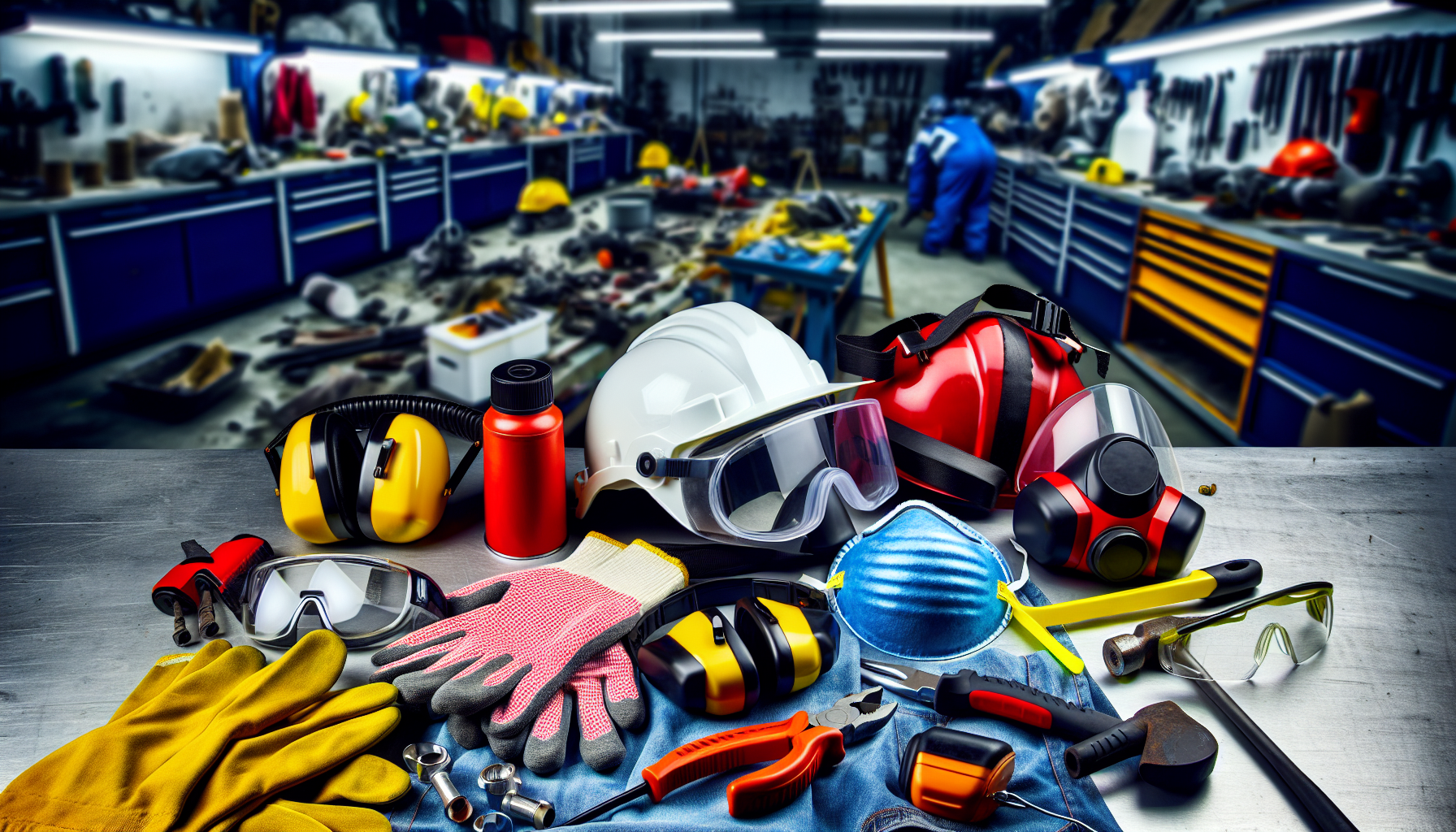
Safety Equipment and PPE
Assess job hazards: impacts, cuts, chemicals, noise, falls, dust
Affiliate Links: Some product links may earn us a commission at no extra cost to you.
Tools Needed
- safety equipment checklist
- fit testing tools
Parts & Materials
Available from multiple retailers
Available from multiple retailers
Available from multiple retailers
Available from multiple retailers
Available from multiple retailers
Available from multiple retailers
⚠️ Safety First
🔧 Tools Needed
📦 Materials
📋 Step-by-Step Instructions
1. Assess job hazards: impacts, cuts, chemicals, noise, falls, dust
2. Select safety glasses with side shields for impact protection
3. Choose hard hat rated for electrical or impact hazards as needed
4. Get work gloves matched to task: leather for general, nitrile for chemicals
5. Add respiratory protection for dust, fumes, or chemical exposure
6. Include hearing protection for tools over 85 decibels
7. Use fall protection harness for work above 6 feet
8. Keep first aid kit accessible and well-stocked
💡 Pro Tips
❌ Common Mistakes to Avoid
🔍 Troubleshooting
Safety glasses fog up
*Cause:* Poor ventilation or temperature difference
*Fix:* Use anti-fog coating, improve ventilation, adjust fit
Gloves don't provide good grip
*Cause:* Wrong glove type or worn out
*Fix:* Choose task-specific gloves, replace when worn
Hard hat doesn't stay in place
*Cause:* Improper sizing or adjustment
*Fix:* Adjust suspension system, ensure proper size
❓ Frequently Asked Questions
Q: How often should I replace safety equipment
A: Replace immediately if damaged, or annually for items like hard hats and respirators
Q: What's the most important PPE to wear
A: Safety glasses and proper footwear - protect eyes and prevent falls
✅ Checklist
Related Guides
Ladders and Access Equipment
Choose appropriate ladder type - step ladder for self-support, extension for leaning
Read Guide →Work Clothing and Safety Gear
Assess job hazards - chemicals, cuts, impacts, electrical, falls
Read Guide →