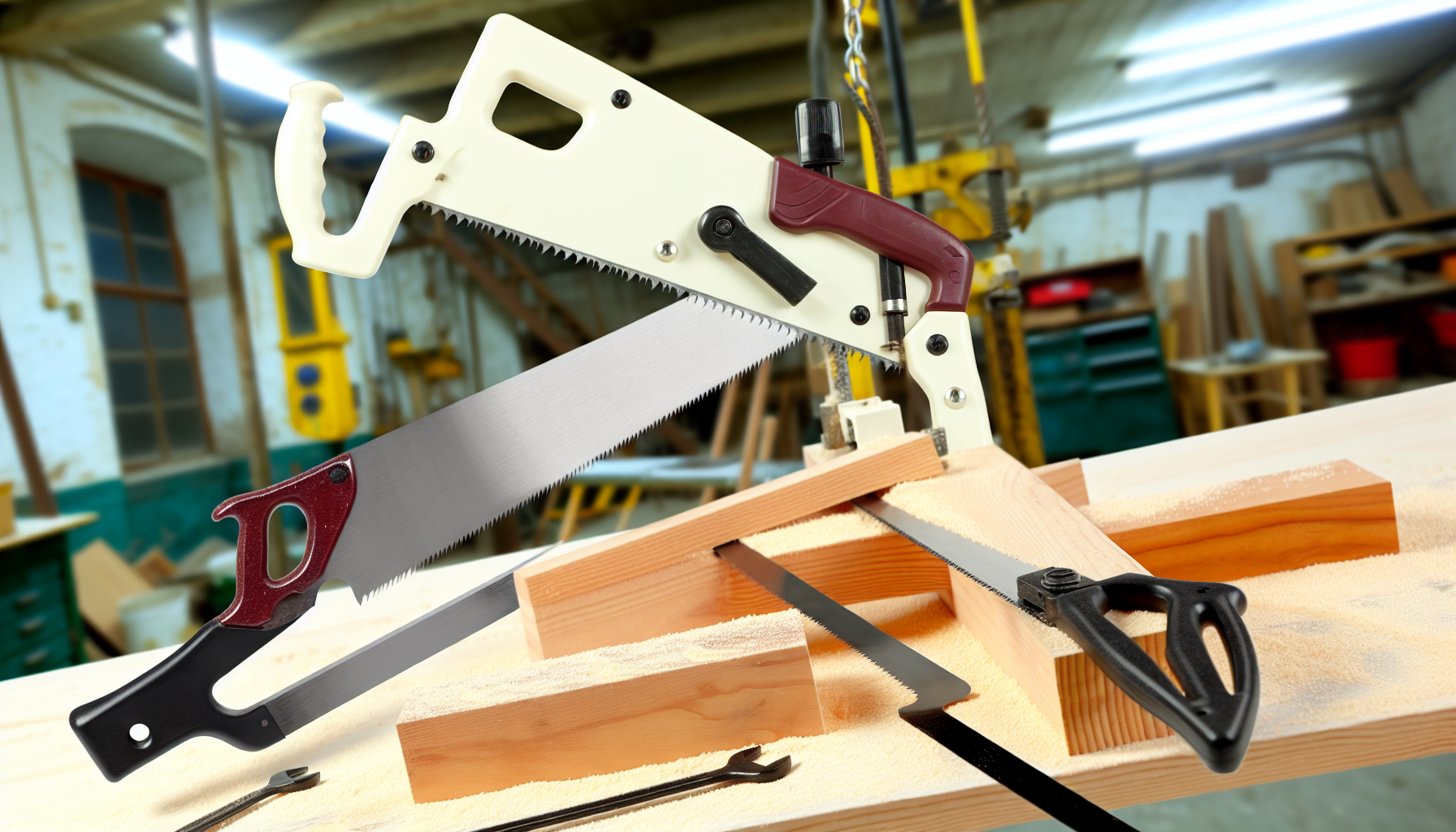
Handsaws - Selection and Use
Choose correct saw type - crosscut for across grain, rip for with grain
Affiliate Links: Some product links may earn us a commission at no extra cost to you.
Tools Needed
- various handsaws
- saw horses
- clamps
Parts & Materials
Available from multiple retailers
Available from multiple retailers
⚠️ Safety First
🔧 Tools Needed
📦 Materials
📋 Step-by-Step Instructions
1. Choose correct saw type - crosscut for across grain, rip for with grain
2. Mark cut line clearly with square and pencil
3. Support work piece on saw horses or stable surface
4. Start cut with short, gentle strokes to establish groove
5. Use full blade length with smooth, steady strokes
6. Let saw weight do the work - don't force
7. Support cut-off piece near completion to prevent splitting
8. Follow through completely for clean finish
💡 Pro Tips
❌ Common Mistakes to Avoid
🔍 Troubleshooting
Saw binds in cut
*Cause:* Dull blade, wrong saw, or poor support
*Fix:* Back out, check blade, support work better, use wedge to keep kerf open
Rough or splintered cut
*Cause:* Dull blade or cutting too fast
*Fix:* Sharpen blade, slow down cutting pace, score cut line first
Cut wanders off line
*Cause:* Dull blade, wrong technique, or poor start
*Fix:* Start cut carefully, use saw guide, check blade sharpness
❓ Frequently Asked Questions
Q: What's the difference between crosscut and rip saws
A: Crosscut has angled teeth for cutting across grain, rip has straight teeth for cutting with grain
Q: How do I know when saw needs sharpening
A: When it requires excessive pressure, creates rough cuts, or binds frequently
✅ Checklist
Related Guides
Ladders and Access Equipment
Choose appropriate ladder type - step ladder for self-support, extension for leaning
Read Guide →Work Clothing and Safety Gear
Assess job hazards - chemicals, cuts, impacts, electrical, falls
Read Guide →