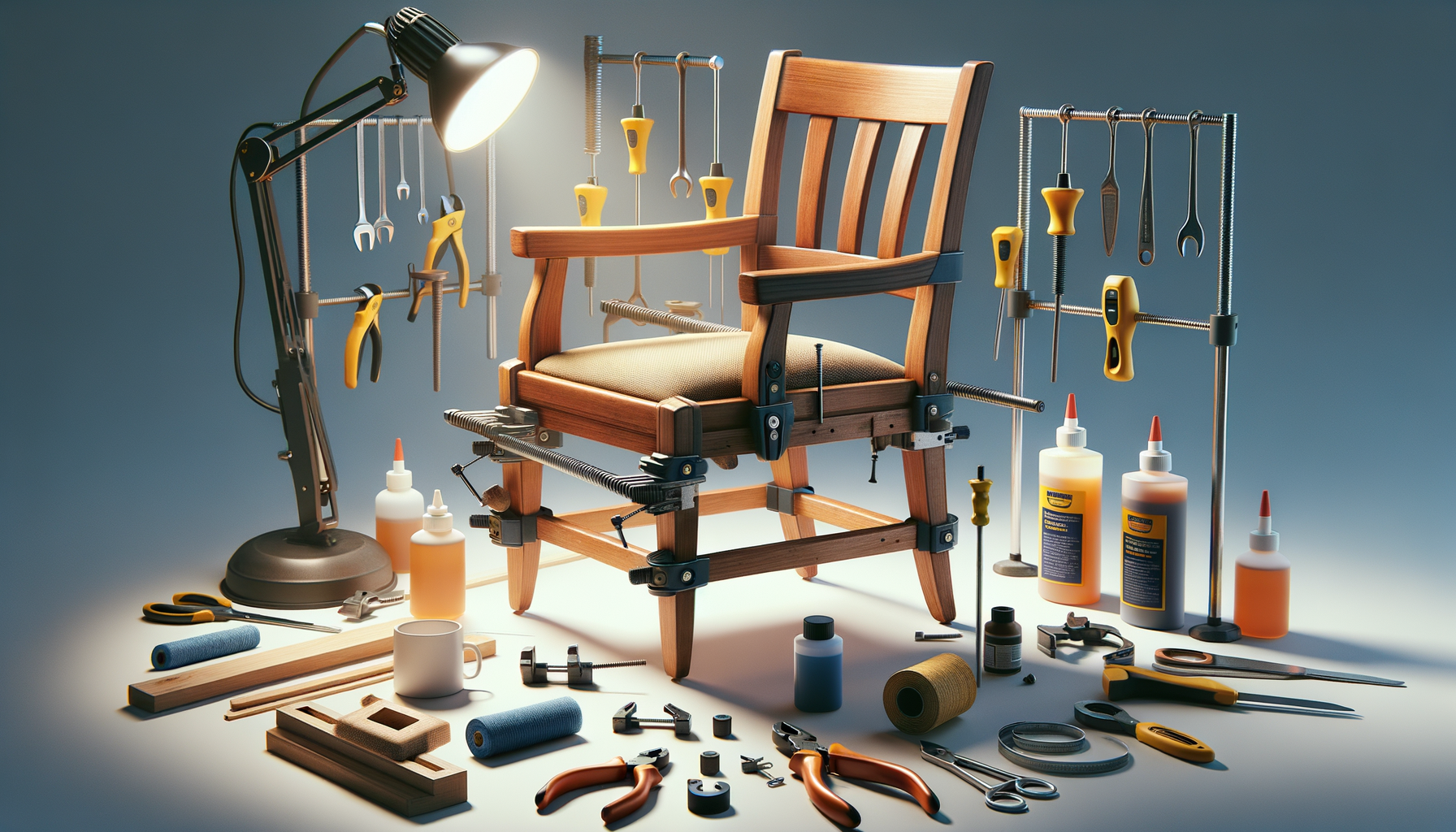
Fixing Squeaky Chair Joints
Identify the source of squeaking by sitting and moving in chair
Affiliate Links: Some product links may earn us a commission at no extra cost to you.
Tools Needed
- screwdriver
- drill
- wood glue
- small brush
- clamps
- penetrating oil
Parts & Materials
Available from multiple retailers
Available from multiple retailers
Available from multiple retailers
Available from multiple retailers
Available from multiple retailers
⚠️ Safety First
🔧 Tools Needed
📦 Materials
📋 Step-by-Step Instructions
1. Identify the source of squeaking by sitting and moving in chair
2. Turn chair upside down and inspect all joints and connections
3. Tighten any loose screws, but don't over-tighten in old wood
4. For persistent squeaks, disassemble the joint carefully
5. Clean old glue and debris from joint surfaces
6. Apply thin layer of wood glue to both surfaces
7. Reassemble joint and clamp if possible for 24 hours
8. For quick fixes, apply graphite from pencil to joint areas
9. Rub furniture wax on moving parts like swivel mechanisms
10. Test chair thoroughly before regular use
💡 Pro Tips
❌ Common Mistakes to Avoid
🔍 Troubleshooting
Squeak returns after repair
*Cause:* Joint wasn't properly cleaned or dried
*Fix:* Disassemble again, clean thoroughly, ensure 24-hour cure time
Joint won't stay tight
*Cause:* Worn wood or stripped holes
*Fix:* Use toothpicks with glue in holes, or install reinforcement brackets
Chair feels unstable
*Cause:* Multiple loose joints
*Fix:* Check and repair all joints systematically
❓ Frequently Asked Questions
Q: Is it safe to use oil on wood joints
A: Avoid oil on glued joints - it prevents proper bonding. Use dry graphite instead
Q: When should I replace vs repair
A: Replace if structural damage is extensive or repair costs exceed replacement value
✅ Checklist
Related Guides
Repairing Scratches on Wood Furniture
Clean the scratched area with mild soap and water, dry completely
Read Guide →