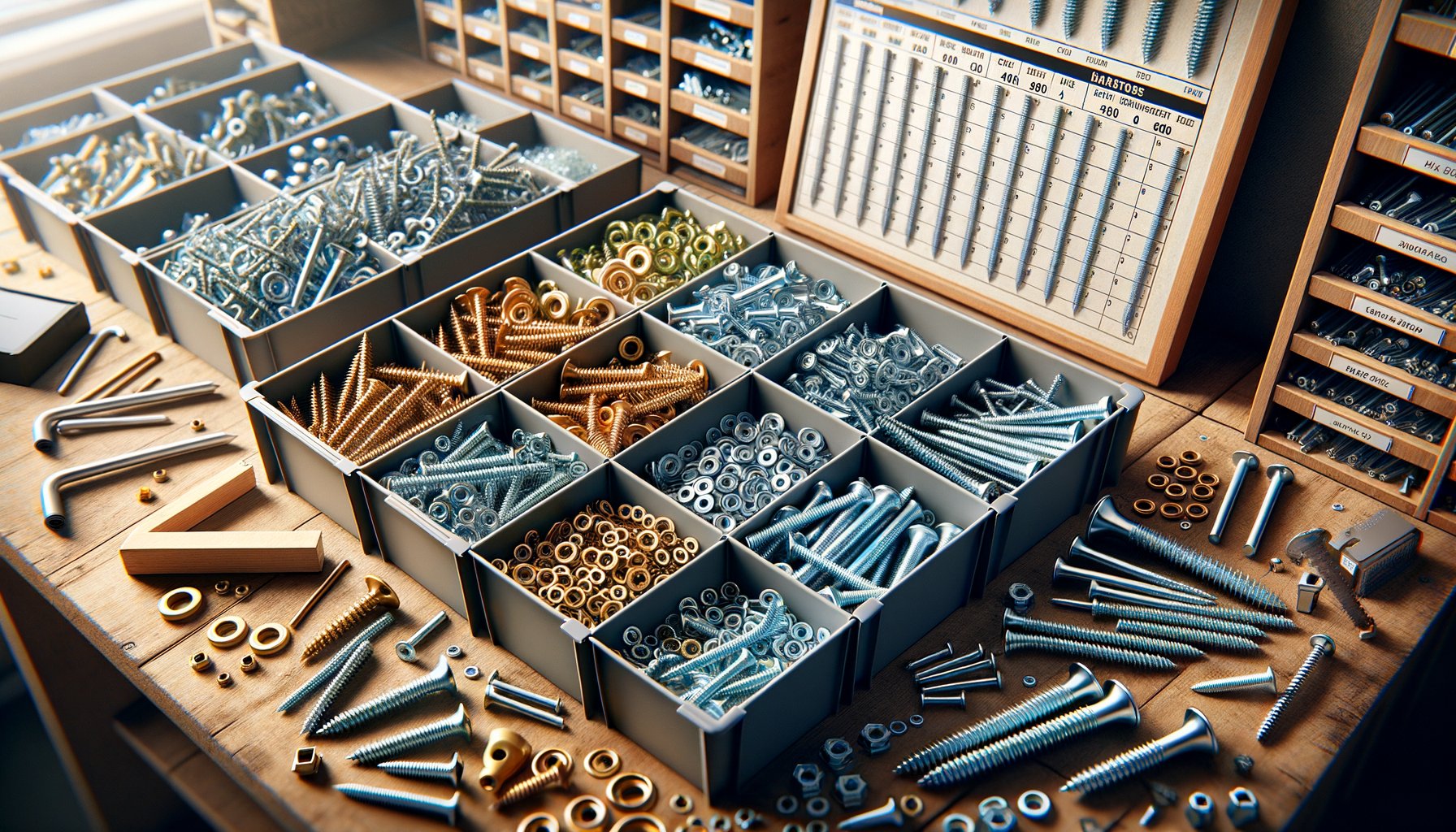
Fasteners and Hardware Basics
Identify load requirements and environmental conditions
Affiliate Links: Some product links may earn us a commission at no extra cost to you.
Tools Needed
- bolt gauge
- thread pitch gauge
- hex keys
- socket set
Parts & Materials
Available from multiple retailers
Available from multiple retailers
Available from multiple retailers
Available from multiple retailers
Available from multiple retailers
Available from multiple retailers
⚠️ Safety First
🔧 Tools Needed
📦 Materials
📋 Step-by-Step Instructions
1. Identify load requirements and environmental conditions
2. Choose appropriate fastener type - machine screws, bolts, or specialty hardware
3. Select proper thread pitch and length for application
4. Use washers to distribute load and prevent surface damage
5. Apply thread-locking compound for vibration resistance if needed
6. Tighten to manufacturer's torque specifications
7. Use anti-seize compound for dissimilar metals
8. Consider future access needs for maintenance
💡 Pro Tips
❌ Common Mistakes to Avoid
🔍 Troubleshooting
Fasteners keep loosening
*Cause:* Vibration or insufficient preload
*Fix:* Use lock washers, thread locker, or increase bolt grade
Threads strip easily
*Cause:* Wrong pitch, cross-threading, or overtightening
*Fix:* Use thread gauge, start by hand, use proper torque
Corrosion at fastener locations
*Cause:* Dissimilar metals or inadequate coating
*Fix:* Use compatible materials, apply anti-seize, choose better coating
❓ Frequently Asked Questions
Q: What's the difference between bolts and screws
A: Bolts use nuts and pass through materials, screws thread into materials
Q: When do I need washers
A: Use washers to distribute load, protect surfaces, or with soft materials
✅ Checklist
Related Guides
Ladders and Access Equipment
Choose appropriate ladder type - step ladder for self-support, extension for leaning
Read Guide →Work Clothing and Safety Gear
Assess job hazards - chemicals, cuts, impacts, electrical, falls
Read Guide →