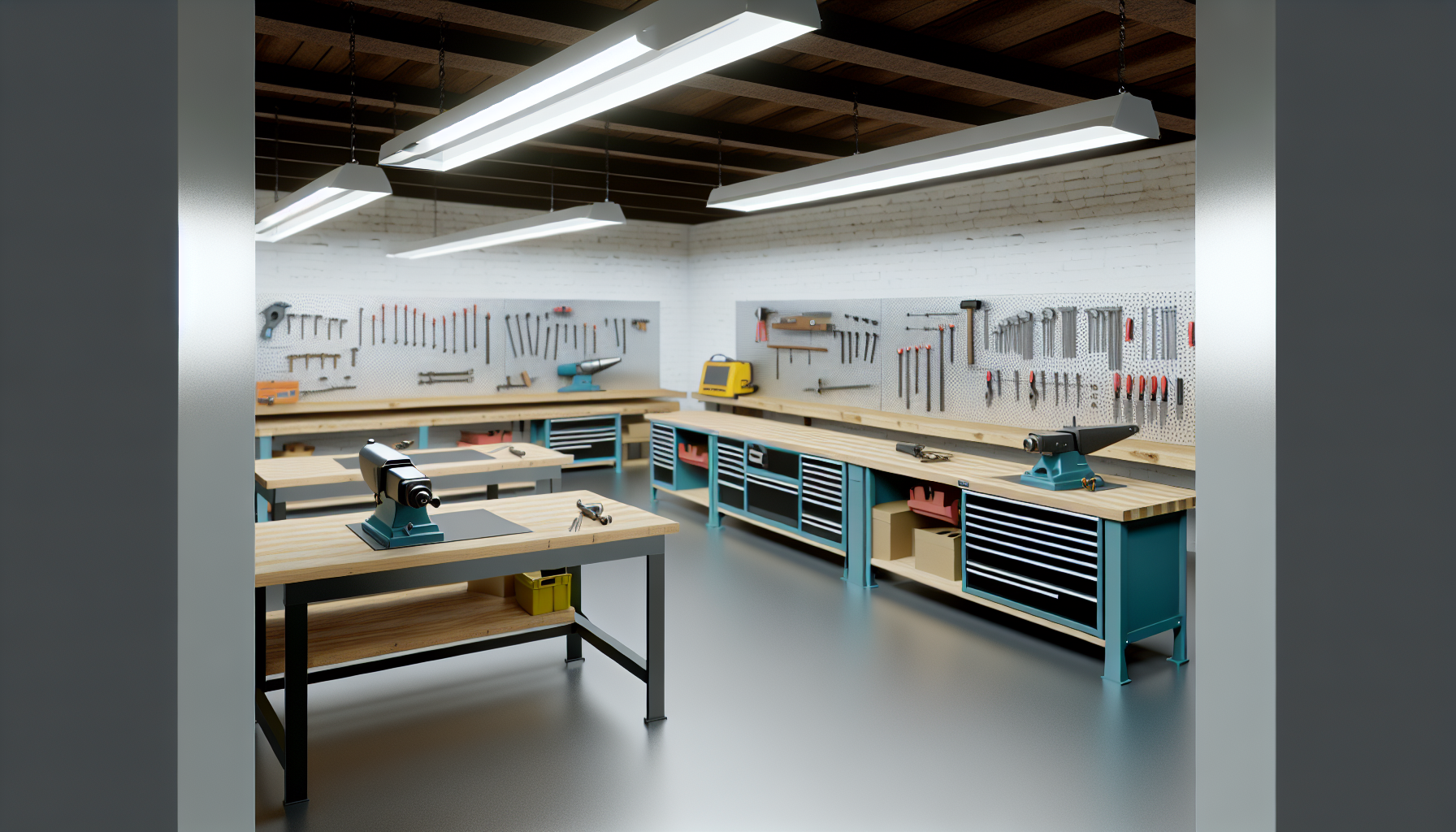
Bench Tools
Set up tools on stable, level surfaces with adequate workspace
Affiliate Links: Some product links may earn us a commission at no extra cost to you.
Tools Needed
- table saw
- miter saw
- drill press
- bench grinder
Parts & Materials
Available from multiple retailers
Available from multiple retailers
Available from multiple retailers
⚠️ Safety First
🔧 Tools Needed
📦 Materials
📋 Step-by-Step Instructions
1. Set up tools on stable, level surfaces with adequate workspace
2. Ensure proper electrical supply - many bench tools need 240V
3. Install and align fences, guides, and safety equipment properly
4. Check blade or bit condition and tightness before each use
5. Use push sticks and safety devices to keep hands away from cutters
6. Make test cuts on scrap material to verify settings
7. Keep tools clean and well-maintained for accurate operation
8. Store sharp tooling safely when not in use
💡 Pro Tips
❌ Common Mistakes to Avoid
🔍 Troubleshooting
Cuts are not accurate
*Cause:* Misaligned fences, dull blades, or improper setup
*Fix:* Check and adjust fence alignment, replace blades, verify tool calibration
Excessive vibration during operation
*Cause:* Unbalanced or damaged blade, loose mounting
*Fix:* Check blade balance, tighten all connections, inspect for damage
Motor struggles or stalls
*Cause:* Dull tooling, overloading, or electrical issues
*Fix:* Replace cutting tools, reduce feed rate, check power supply
❓ Frequently Asked Questions
Q: What bench tool should I buy first
A: Miter saw offers most versatility for home projects, then table saw for sheet goods
Q: Do I need 240V power
A: Smaller bench tools work on 120V, larger cabinet saws and industrial tools typically need 240V
✅ Checklist
Related Guides
Ladders and Access Equipment
Choose appropriate ladder type - step ladder for self-support, extension for leaning
Read Guide →Work Clothing and Safety Gear
Assess job hazards - chemicals, cuts, impacts, electrical, falls
Read Guide →