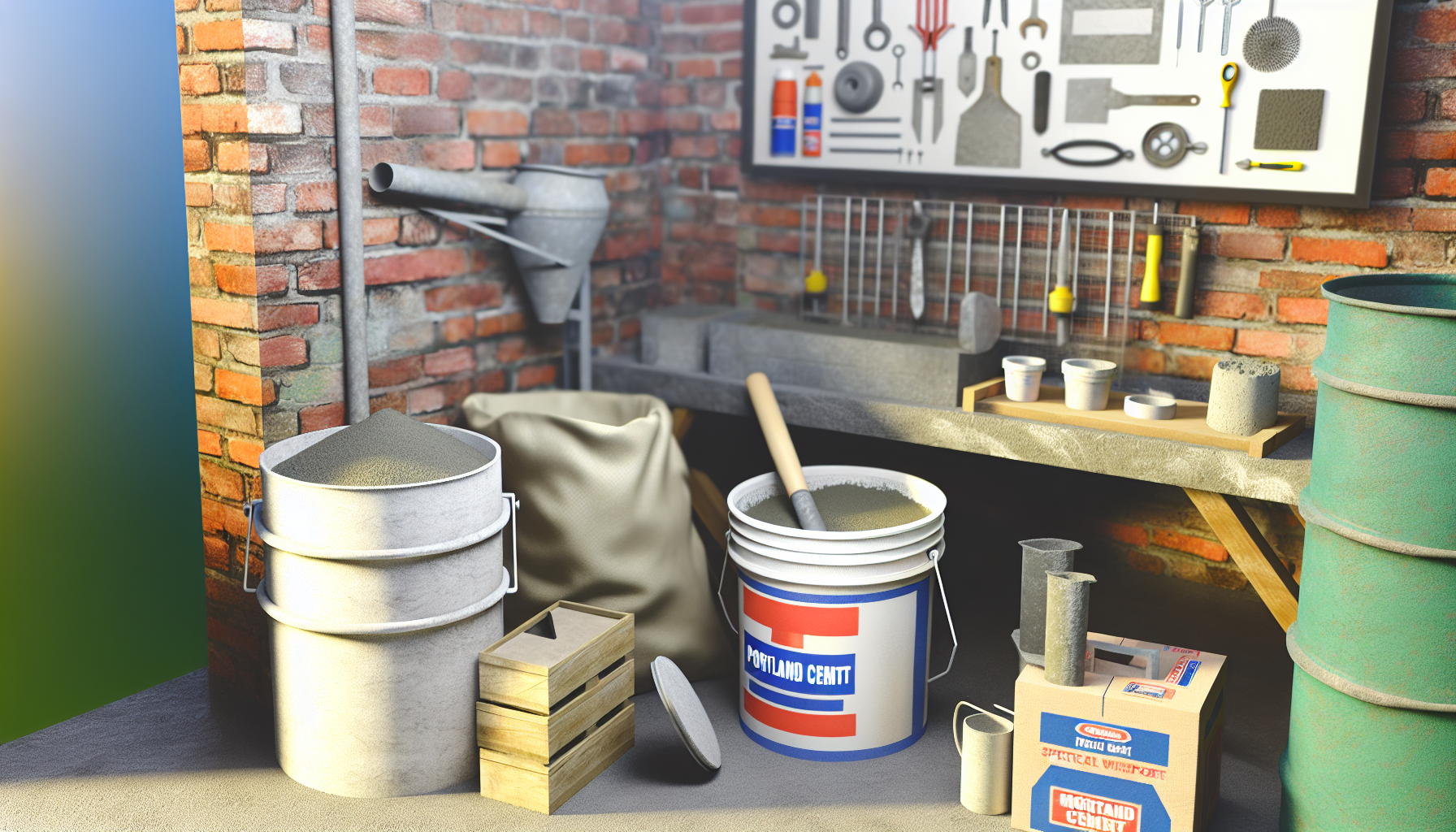
Aggregates, Cement, and Mortar
Choose appropriate cement type - Portland for general use, masonry cement for brickwork
Affiliate Links: Some product links may earn us a commission at no extra cost to you.
Tools Needed
- mixing tools
- wheelbarrow
- trowel
- measuring containers
Parts & Materials
Available from multiple retailers
Available from multiple retailers
Available from multiple retailers
Available from multiple retailers
Available from multiple retailers
⚠️ Safety First
🔧 Tools Needed
📦 Materials
📋 Step-by-Step Instructions
1. Choose appropriate cement type - Portland for general use, masonry cement for brickwork
2. Select proper aggregate size - fine sand for mortar, coarse gravel for concrete
3. Use clean materials free of dirt, organic matter, and excessive clay
4. Follow proper mixing ratios - typically 1:2:3 (cement:sand:gravel) for concrete
5. Add water gradually while mixing to achieve proper consistency
6. Mix thoroughly to ensure uniform distribution of materials
7. Use mixed material within working time - usually 30-60 minutes
8. Clean tools immediately after use to prevent hardening
💡 Pro Tips
❌ Common Mistakes to Avoid
🔍 Troubleshooting
Mix sets too quickly
*Cause:* Hot weather, wrong cement type, or too much water
*Fix:* Work in shade, use retarding admixture, adjust water content
Weak, crumbly concrete
*Cause:* Too much water or poor quality aggregates
*Fix:* Reduce water, use clean aggregates, check cement freshness
Mix won't hold together
*Cause:* Too little water or cement
*Fix:* Add water gradually, increase cement ratio, ensure thorough mixing
❓ Frequently Asked Questions
Q: What's the difference between concrete and mortar
A: Concrete contains gravel for strength, mortar is just cement and sand for bonding masonry
Q: How long does cement last in storage
A: Portland cement lasts 3-6 months if kept dry, longer in airtight containers
✅ Checklist
Related Guides
Ladders and Access Equipment
Choose appropriate ladder type - step ladder for self-support, extension for leaning
Read Guide →Work Clothing and Safety Gear
Assess job hazards - chemicals, cuts, impacts, electrical, falls
Read Guide →