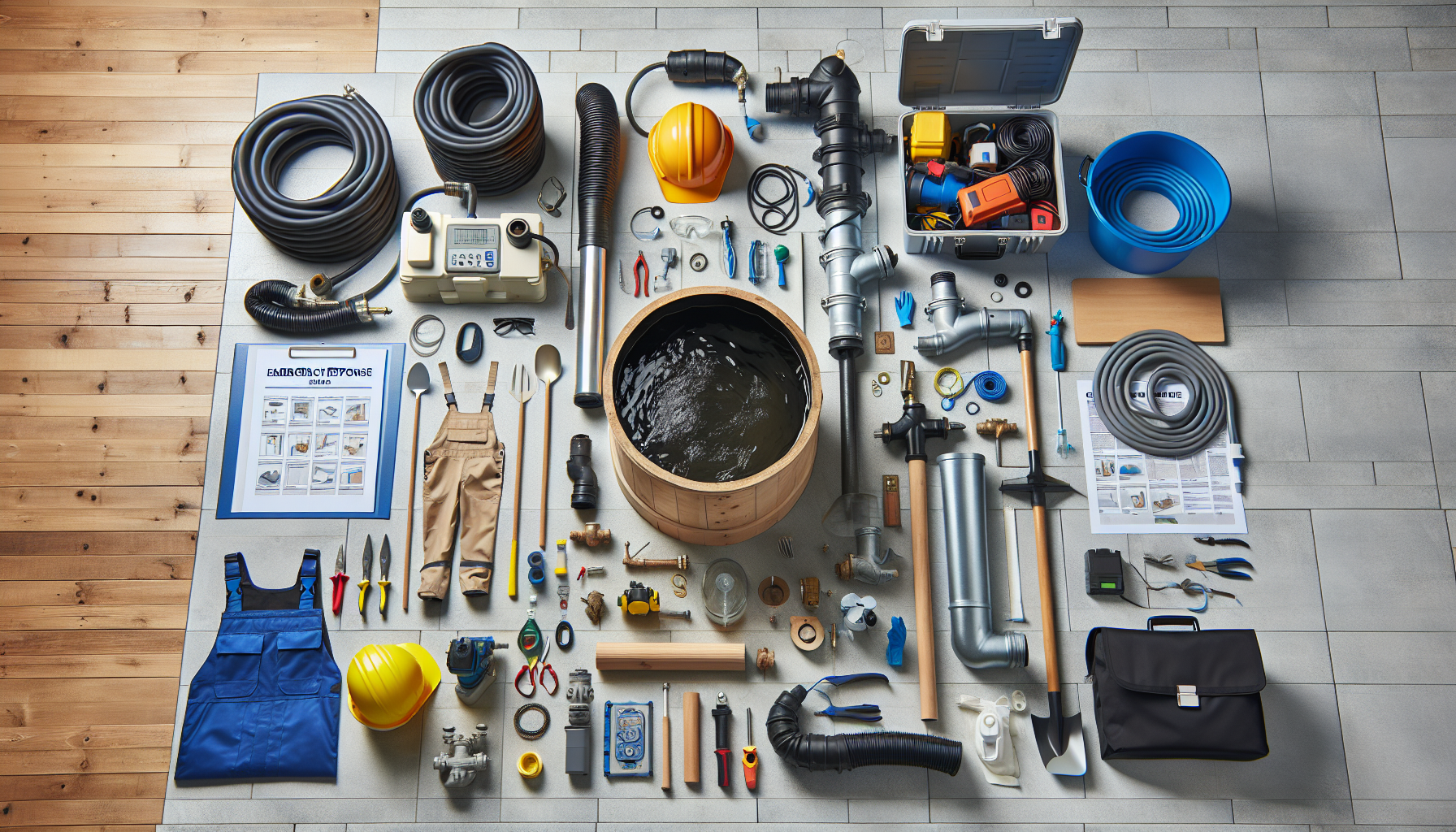
Sump pump failure emergency response repair guide
AI-generated image

Sump Pump Failure Emergency Response

Turn off electricity to basement if flooding present

Emergency Repairs
Intermediate
300 minutes
2/2/2026

Affiliate Links: Some product links may earn us a commission at no extra cost to you.

Tools Needed

  • backup pump
  • extension cords
  • wet vacuum
  • generator
  • water alarm

Parts & Materials

Available from multiple retailers

AmazonUnavailable
Home DepotMore buying options coming soon
Lowe'sMore buying options coming soon

Available from multiple retailers

AmazonUnavailable
Home DepotMore buying options coming soon
Lowe'sMore buying options coming soon

Available from multiple retailers

AmazonUnavailable
Home DepotMore buying options coming soon
Lowe'sMore buying options coming soon

Available from multiple retailers

AmazonUnavailable
Home DepotMore buying options coming soon
Lowe'sMore buying options coming soon

Available from multiple retailers

AmazonUnavailable
Home DepotMore buying options coming soon
Lowe'sMore buying options coming soon

āš ļø Safety First

  • Turn off electricity to basement if water is present
  • Never enter flooded basement with electrical hazards
  • Use GFCI-protected outlets for all pumps

  • šŸ”§ Tools Needed

  • backup pump
  • extension cords
  • wet vacuum
  • generator
  • water alarm

  • šŸ“¦ Materials

  • submersible pump
  • discharge hose
  • check valve
  • pump switch
  • batteries

  • šŸ“‹ Step-by-Step Instructions

    1. Turn off electricity to basement if flooding present


    2. Check sump pump power connection and breaker


    3. Inspect pump for clogs or mechanical failure


    4. Test pump switch operation manually


    5. Install backup pump if primary pump failed


    6. Connect discharge hose to route water away from foundation


    7. Use wet vacuum or mop to remove standing water


    8. Check and clean pump intake screen


    9. Test check valve to ensure proper operation


    10. Install water alarm for early flood detection


    11. Consider battery backup system for power outages


    šŸ’” Pro Tips

  • Test sump pump monthly especially before storm season
  • Install battery backup pump for power outage protection
  • Keep spare pump and supplies readily available

  • āŒ Common Mistakes to Avoid

  • Not testing pump until emergency situation
  • Not having backup power source for pump
  • Ignoring early warning signs of pump problems

  • šŸ” Troubleshooting

    Pump runs but water level not dropping

    *Cause:* Clogged discharge line or failed check valve

    *Fix:* Clear discharge line and check valve operation


    Pump not turning on

    *Cause:* Power issue, stuck switch, or pump failure

    *Fix:* Check power, clean float switch, test pump motor


    Pump cycles on and off rapidly

    *Cause:* Improper float switch positioning

    *Fix:* Adjust float switch to proper operating levels


    ā“ Frequently Asked Questions

    Q: How often should I replace my sump pump

    A: Every 7-10 years or when showing signs of decreased performance


    Q: Do I need a backup sump pump

    A: Yes, especially in flood-prone areas or homes with finished basements


    āœ… Checklist

    ☐Turn off basement power
    ☐Check pump power
    ☐Inspect for clogs
    ☐Test switch operation
    ☐Install backup pump
    ☐Connect discharge hose
    ☐Remove standing water
    ☐Clean intake screen
    ☐Test check valve
    ☐Install water alarm

    Related Guides

    Burst Pipe Emergency Repair

    Locate and turn off main water shutoff valve immediately

    Read Guide →

    Power Outage and Backup Power Setup

    Check circuit breakers and electrical panel for issues

    Read Guide →

    Gas Leak Emergency Response

    Do not use electrical switches, phones, or create any sparks

    Read Guide →

    Related Videos