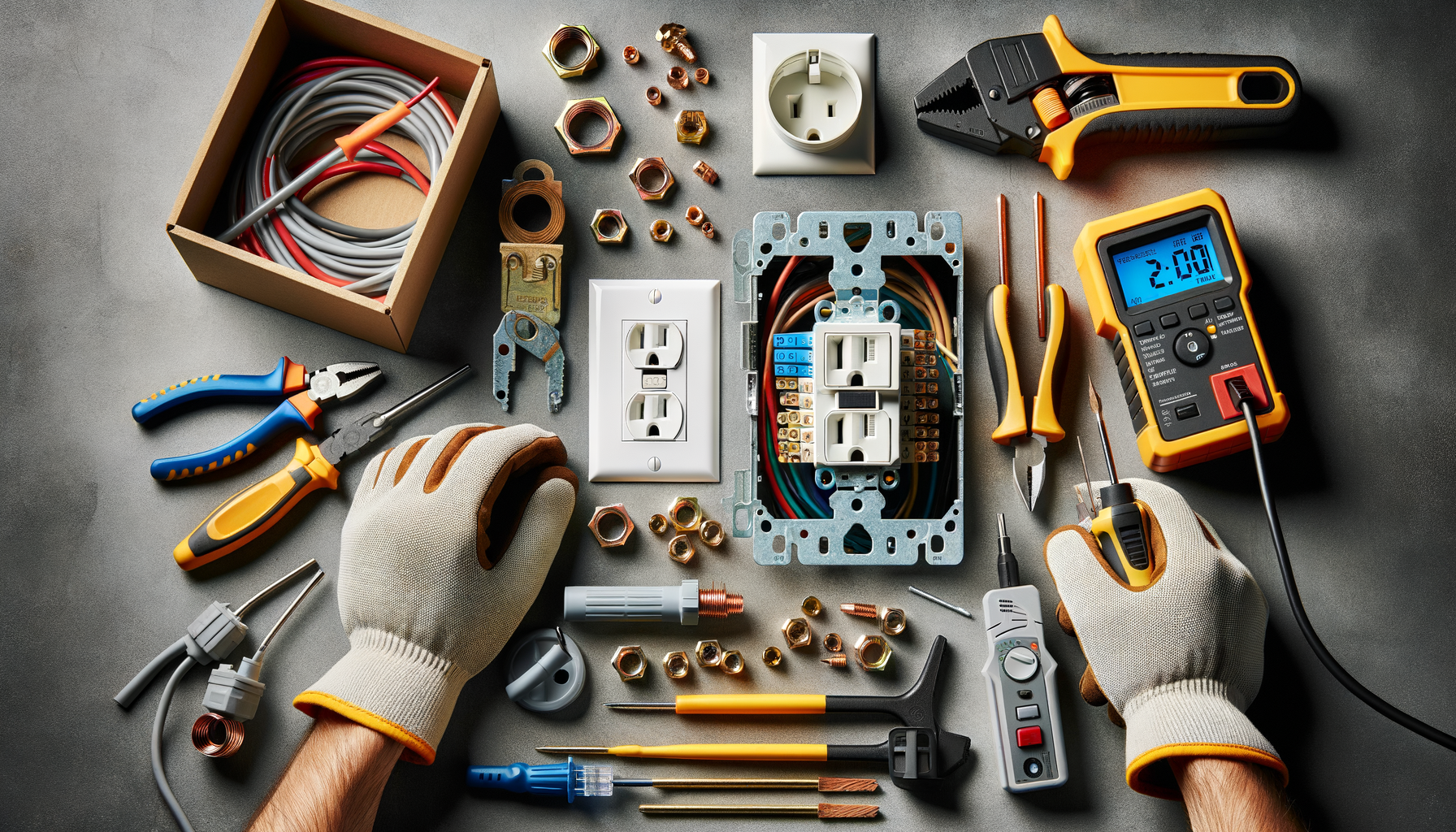
Installing a GFCI Outlet
Turn off power at the circuit breaker for the outlet
Affiliate Links: Some product links may earn us a commission at no extra cost to you.
Tools Needed
- voltage tester
- wire strippers
- screwdrivers
- needle nose pliers
Parts & Materials
Available from multiple retailers
Available from multiple retailers
Available from multiple retailers
⚠️ Safety First
🔧 Tools Needed
📦 Materials
📋 Step-by-Step Instructions
1. Turn off power at the circuit breaker for the outlet
2. Remove existing outlet and test wires with voltage tester to confirm power is off
3. Identify line wires (from breaker) and load wires (to downstream outlets)
4. Connect line hot wire to LINE terminal marked hot on GFCI
5. Connect line neutral wire to LINE terminal marked neutral on GFCI
6. Connect load hot wire to LOAD terminal marked hot (if protecting downstream outlets)
7. Connect load neutral wire to LOAD terminal marked neutral (if applicable)
8. Connect ground wire to green ground screw on GFCI
9. Carefully fold wires into box and secure GFCI to box
10. Install cover plate and restore power at breaker
11. Press TEST button - outlet should turn off, press RESET to restore power
12. Test monthly by pressing TEST and RESET buttons
💡 Pro Tips
❌ Common Mistakes to Avoid
🔍 Troubleshooting
GFCI won't reset
*Cause:* Line/load reversal or ground fault present
*Fix:* Check wiring connections, test for actual ground fault
GFCI trips immediately
*Cause:* Ground fault in circuit or moisture
*Fix:* Check for damaged wires, eliminate moisture sources
Test button doesn't work
*Cause:* Defective GFCI or improper wiring
*Fix:* Verify connections, replace GFCI if defective
❓ Frequently Asked Questions
Q: Where are GFCIs required
A: Bathrooms, kitchens, garages, outdoors, basements, and within 6 feet of sinks
Q: Can I install myself
A: Simple replacements yes, but check local codes - some areas require permits and inspections