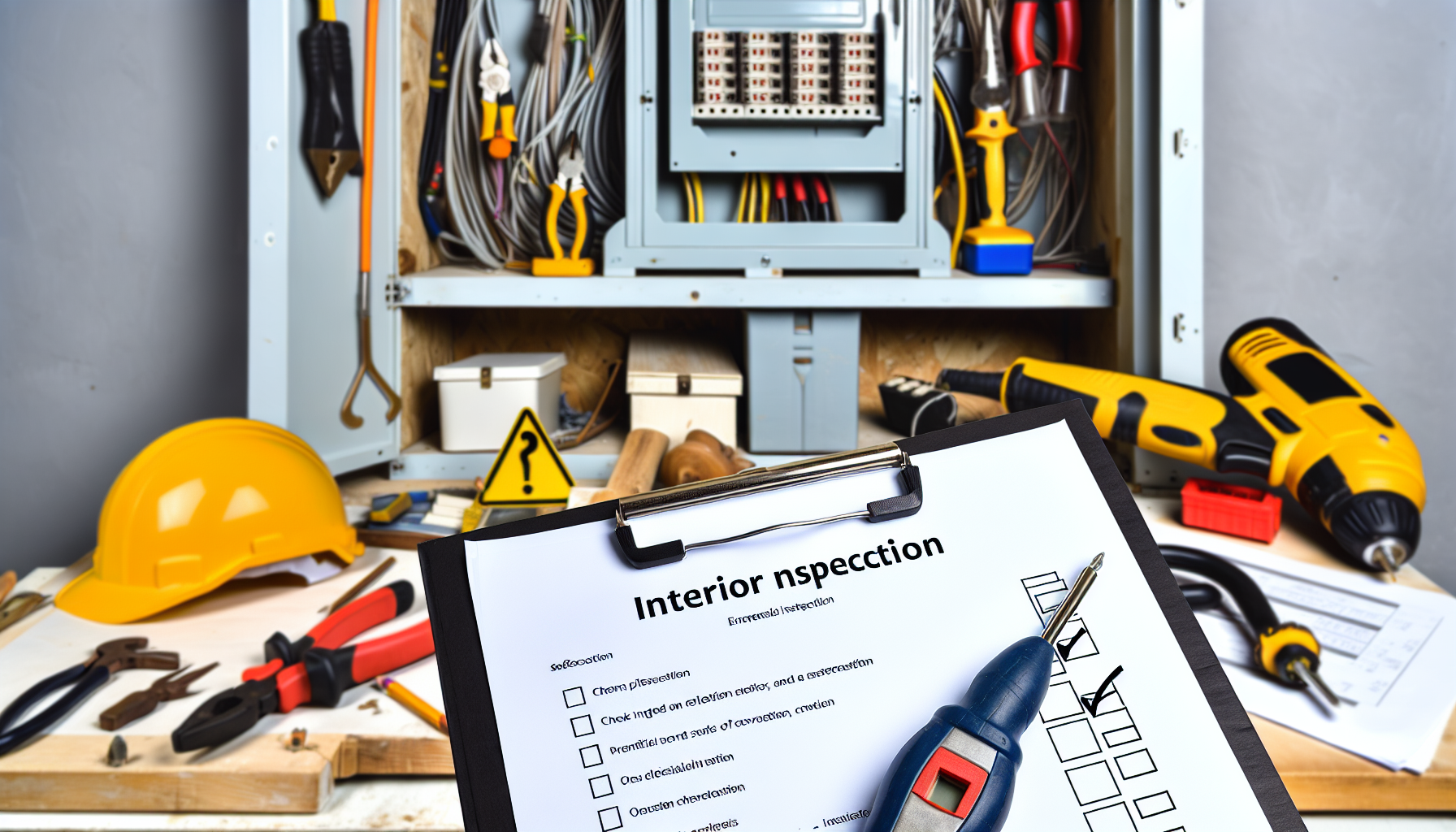
Assessing Your House: Interior Inspection
Check electrical panel for proper labeling, corrosion, overloaded circuits
Affiliate Links: Some product links may earn us a commission at no extra cost to you.
Tools Needed
- flashlight
- electrical tester
- moisture meter
- level
- camera
- inspection mirror
Parts & Materials
Available from multiple retailers
Available from multiple retailers
Available from multiple retailers
⚠️ Safety First
🔧 Tools Needed
📦 Materials
📋 Step-by-Step Instructions
1. Check electrical panel for proper labeling, corrosion, overloaded circuits
2. Test all outlets and switches, verify GFCI protection in required areas
3. Inspect plumbing fixtures for leaks, water pressure, proper drainage
4. Check walls and ceilings for cracks, water stains, or structural issues
5. Assess floors for squeaks, soft spots, uneven areas, or damage
6. Inspect HVAC system - filters, ductwork access, unusual noises or odors
7. Check insulation levels in accessible areas like attics and basements
8. Test smoke detectors, carbon monoxide detectors, and safety equipment
9. Document all findings with photos and create priority maintenance list
💡 Pro Tips
❌ Common Mistakes to Avoid
🔍 Troubleshooting
Electrical panel issues
*Cause:* Age, overloading, or moisture
*Fix:* Consult electrician for safety evaluation and upgrades
Plumbing leaks
*Cause:* Wear, corrosion, or loose connections
*Fix:* Shut off water, repair immediately, check for related damage
Structural concerns
*Cause:* Settlement, water damage, or overloading
*Fix:* Document carefully, consult structural engineer for assessment
❓ Frequently Asked Questions
Q: How do I know if electrical is safe
A: Modern panel with proper GFCI protection, no burning odors, outlets work properly
Q: What are signs of serious problems
A: Electrical buzzing, water stains, large cracks, soft floors, or gas odors
✅ Checklist
Related Guides
When Not to DIY - Knowing Your Limits
Identify project complexity and required skills honestly
Read Guide →Assessing Your House: Exterior Inspection
Walk around entire house perimeter, note overall condition and problem areas
Read Guide →Assessing Your House: Going Green
Conduct energy audit - check for drafts around doors, windows, outlets
Read Guide →